Jorge Zalszupin
A key figure of Brazilian modernist design, Jorge Zalszupin occupies a distinctive place at the crossroads of European architectural culture and South American modernity. Born in Warsaw in 1922 and trained as an architect in Romania, he moved to Brazil in the late 1940s, fleeing post-war Europe—an experience that profoundly shaped his work.
Settling in São Paulo, Zalszupin founded L’Atelier in 1959, a furniture company that quickly became a benchmark of Brazilian design from the 1950s to the 1970s. His approach is defined by a refined balance between modernist rigor, a strong sense of proportion, and an exceptional attention to materials. Brazilian hardwoods, marble, leather, and textiles are used with great craftsmanship, within a controlled industrial logic.
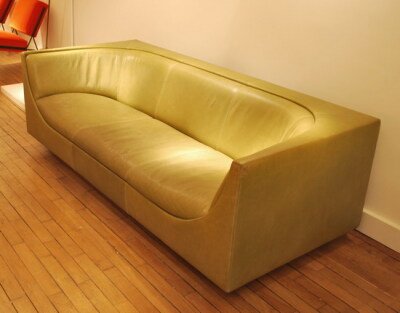
His furniture—armchairs, sofas, desks, and tables—is characterized by elegant, often curved lines, where comfort and formal sophistication are inseparable. Zalszupin developed a language that is both architectural and sensuous, blending European modernist principles with the richness of Brazilian material culture.
Working closely with leading architects and contributing to numerous institutional and private projects, Jorge Zalszupin played an essential role in shaping a modern Brazilian identity, alongside figures such as Oscar Niemeyer and Joaquim Tenreiro. Long relatively unknown outside Brazil, his work has enjoyed a major international rediscovery since the early 2000s.