Les Fers de Léopold Gest
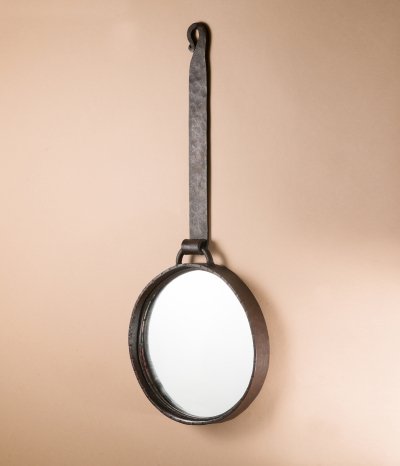
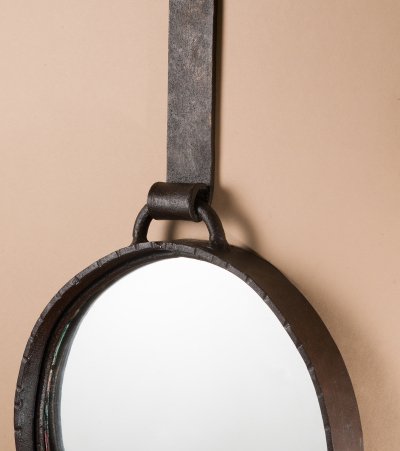
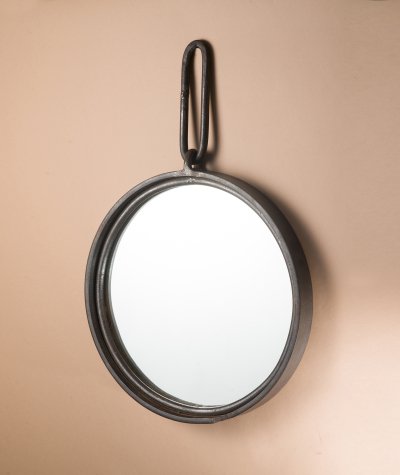
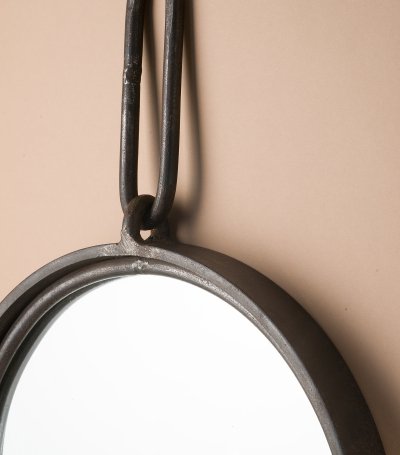
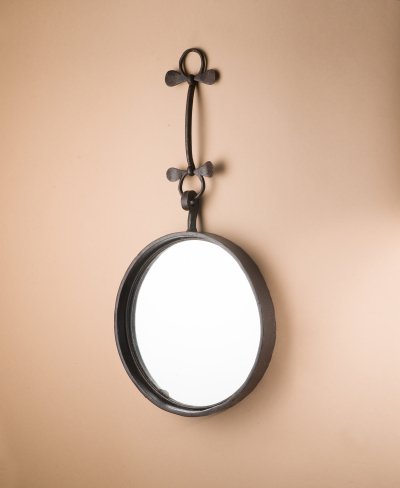
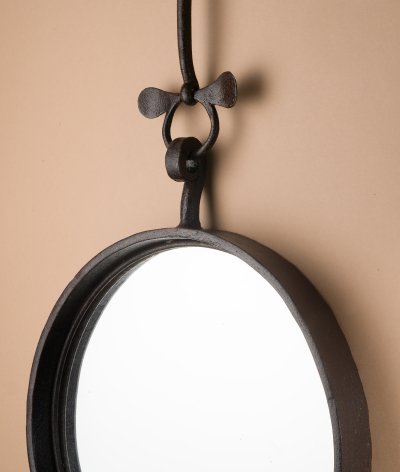
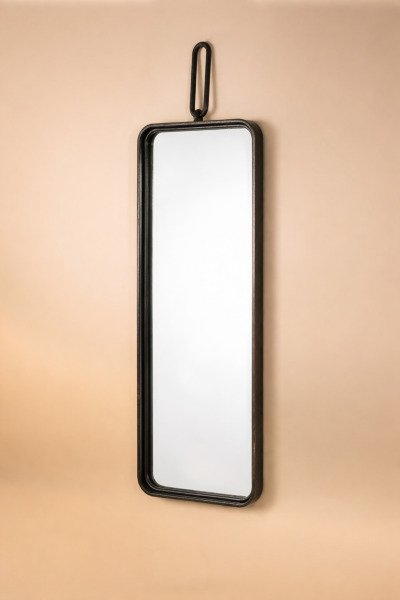
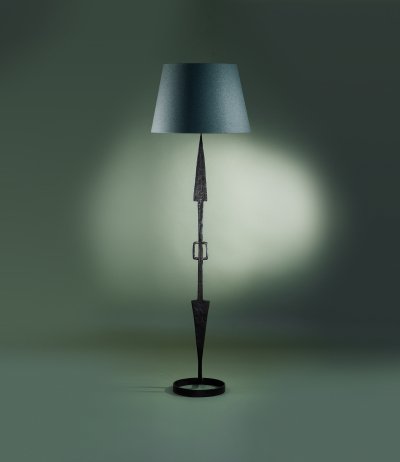
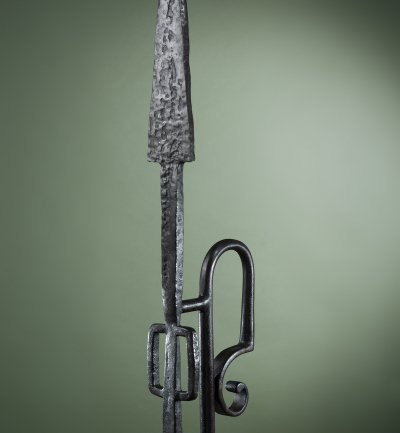
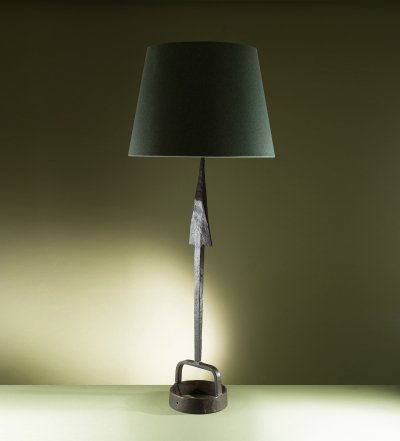
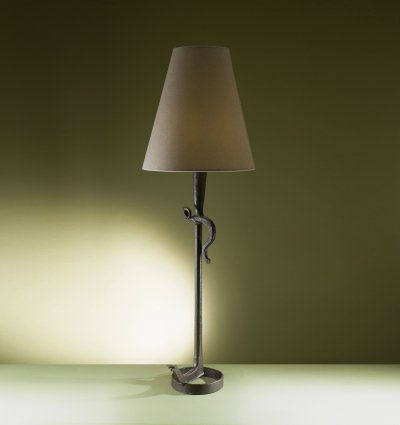
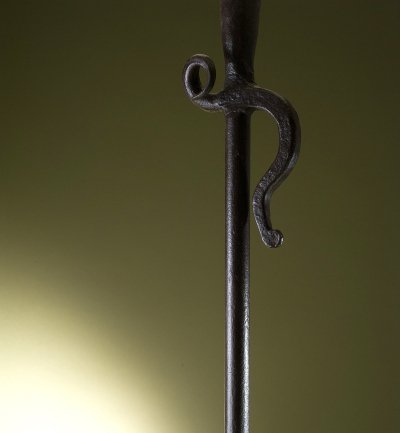
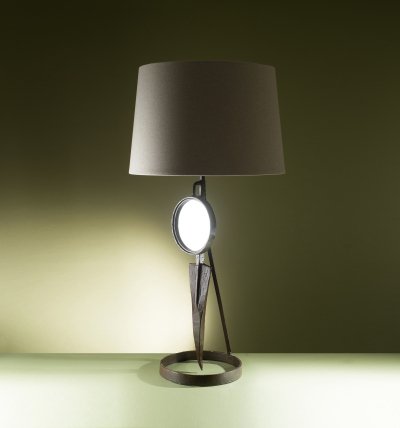
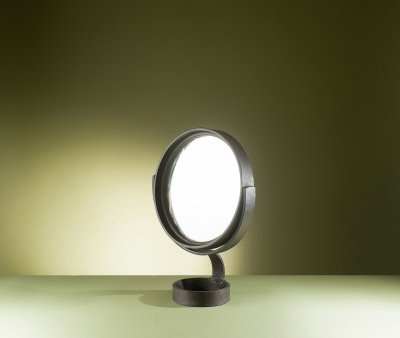
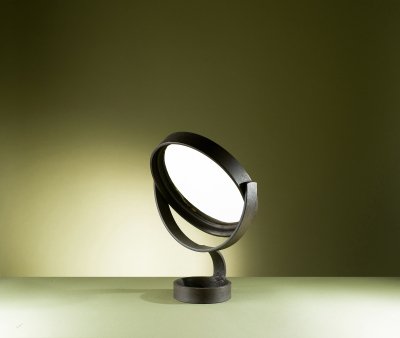
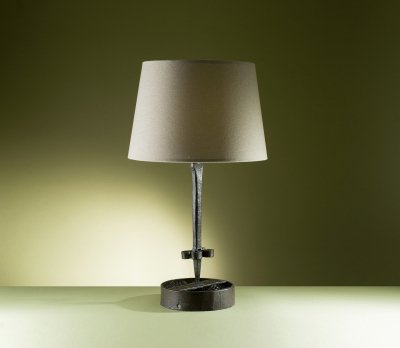
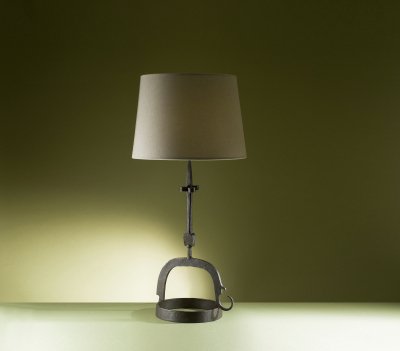
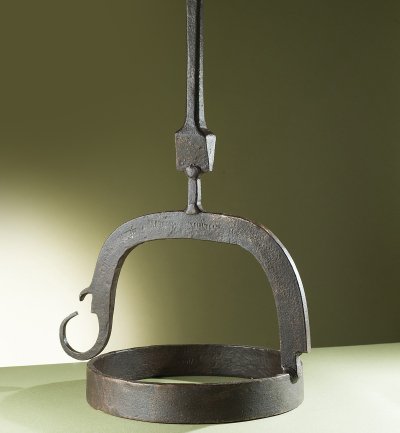
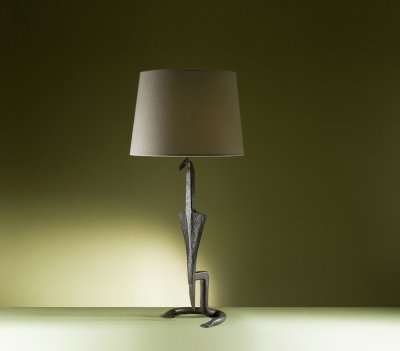
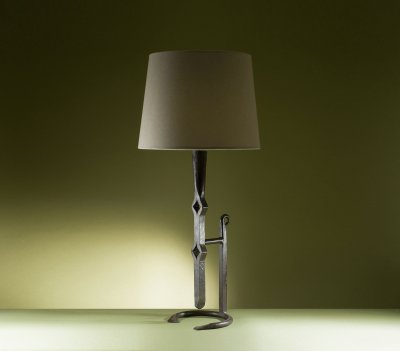
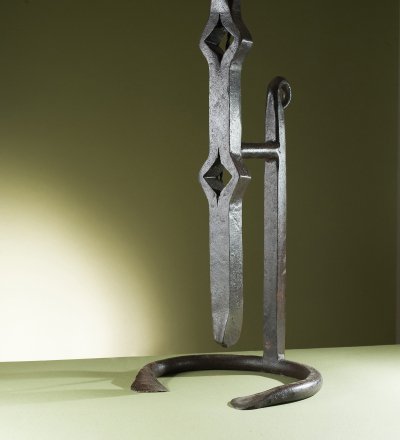
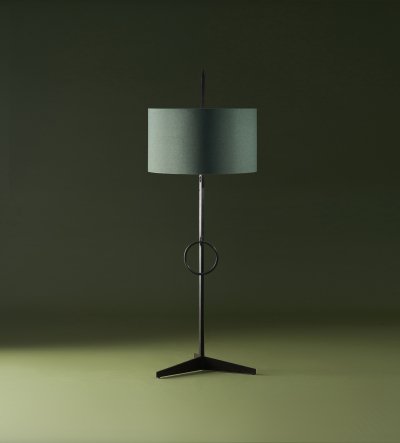
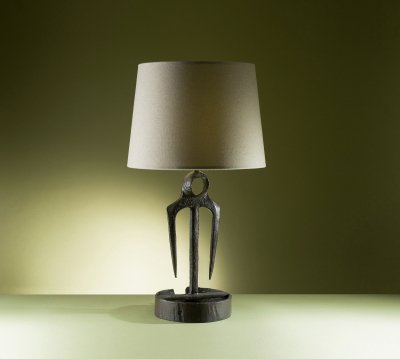
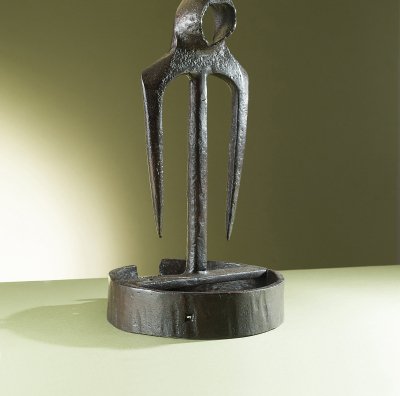
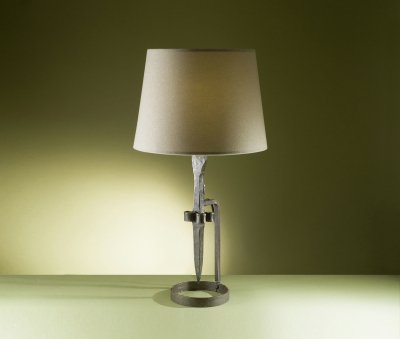
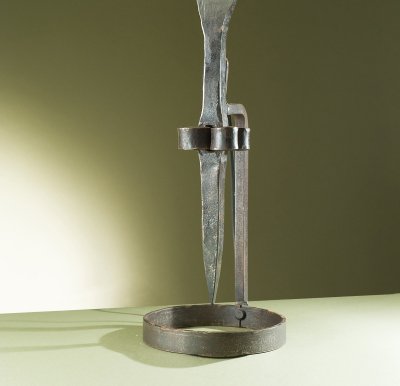
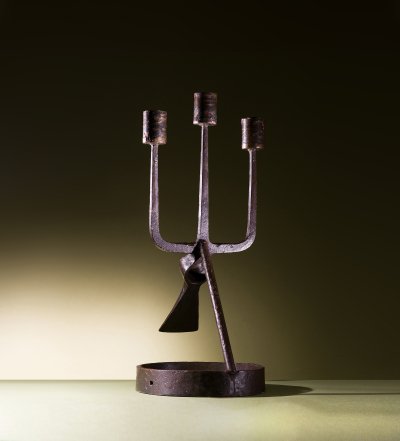
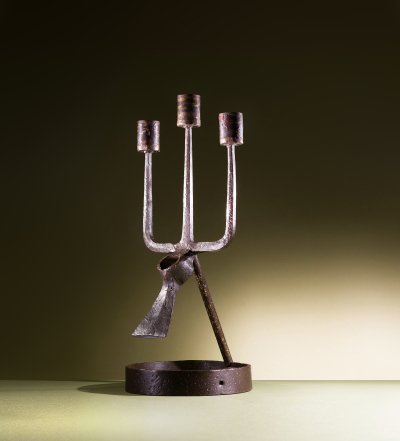
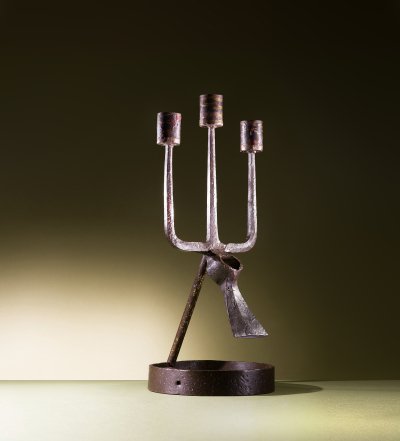
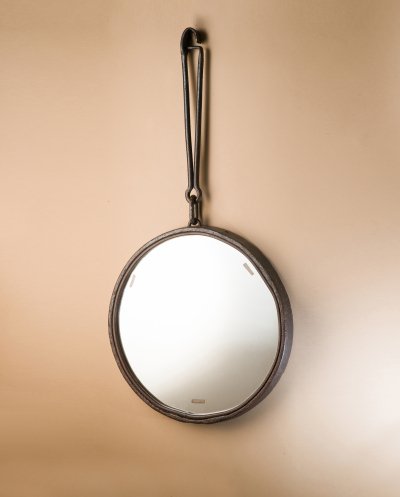
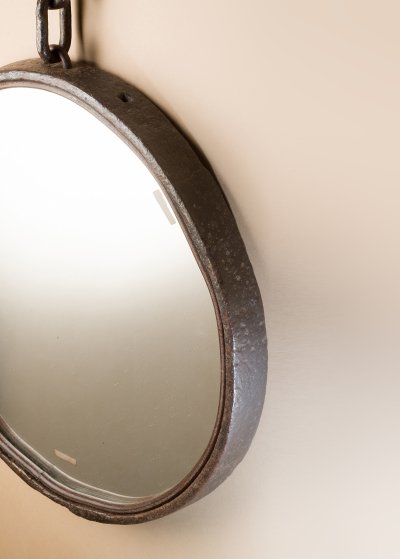
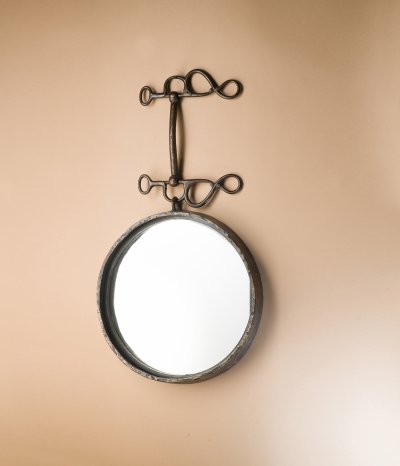
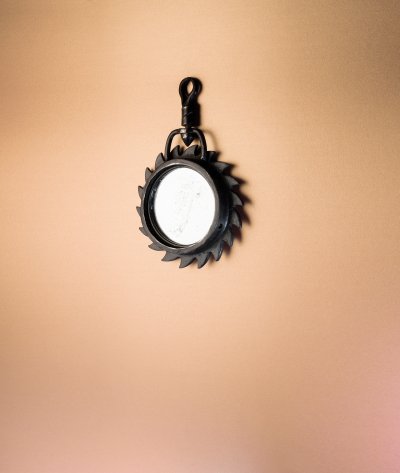
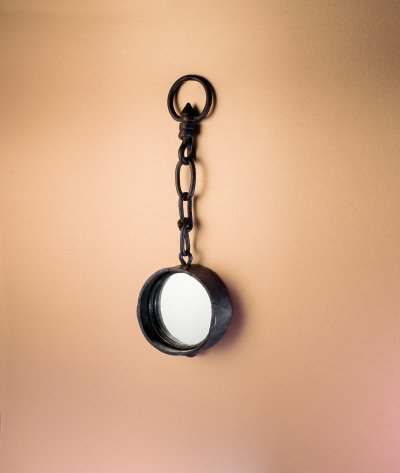
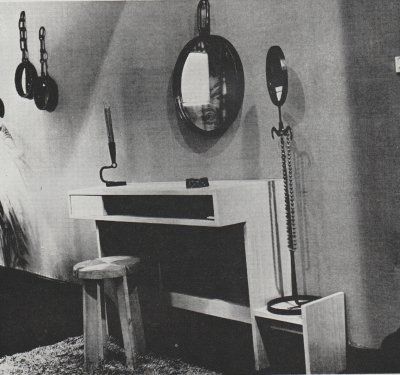
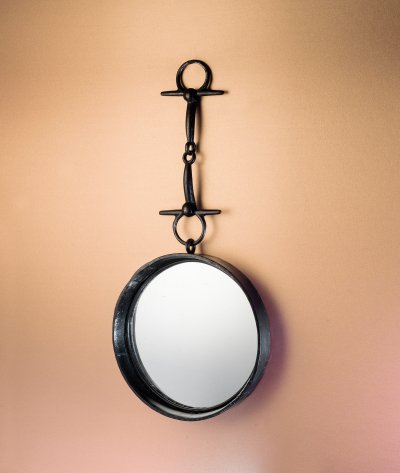
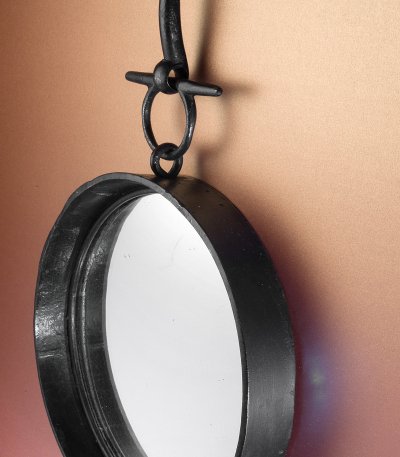
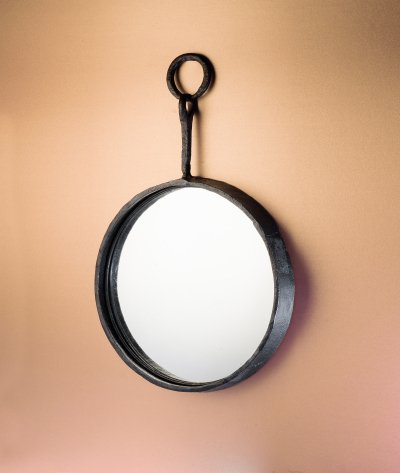
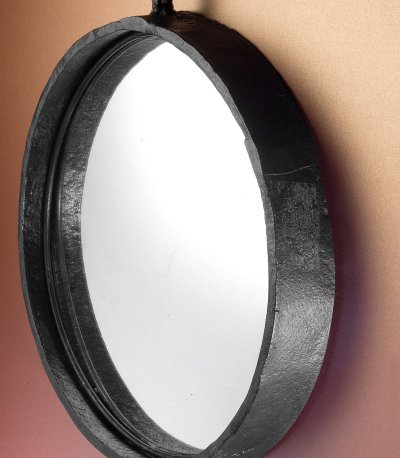
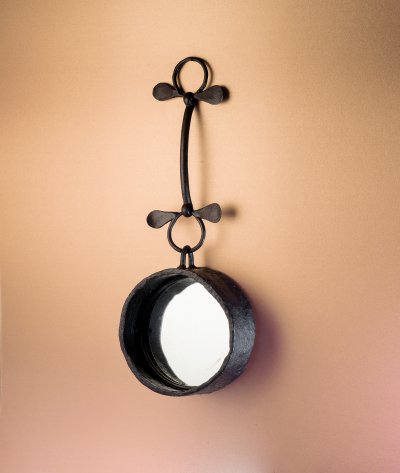
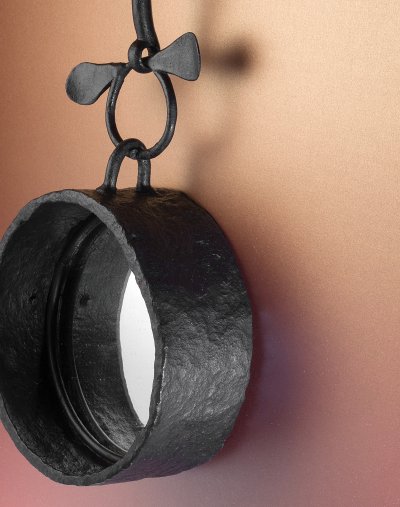
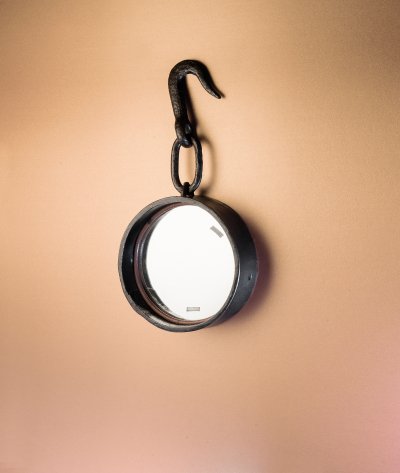
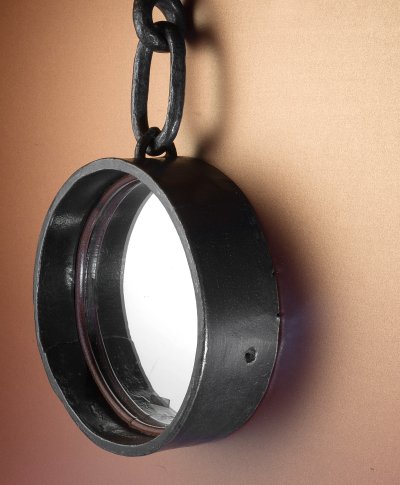
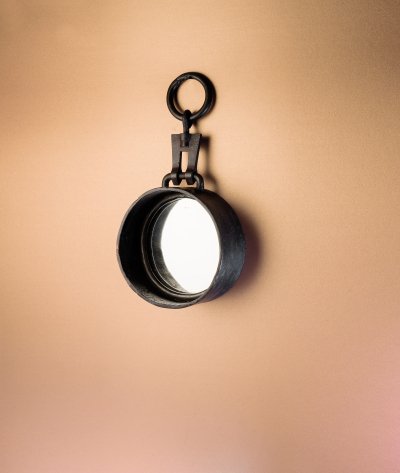
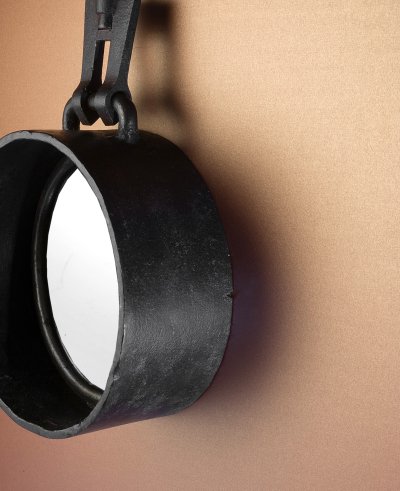
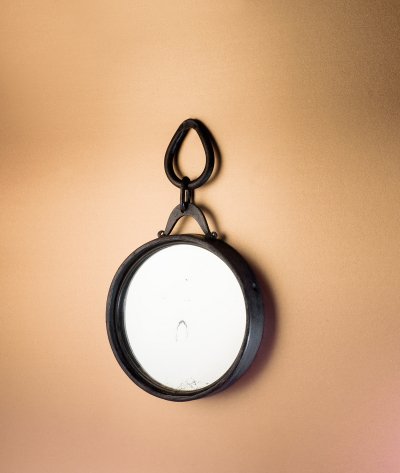
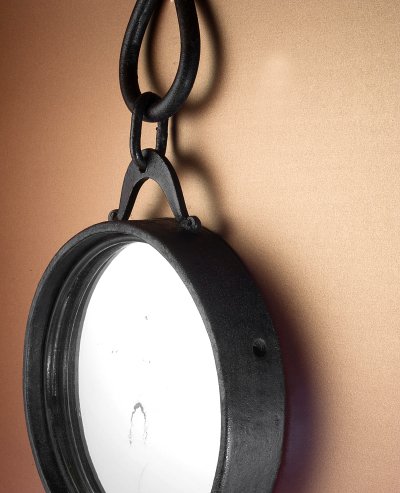
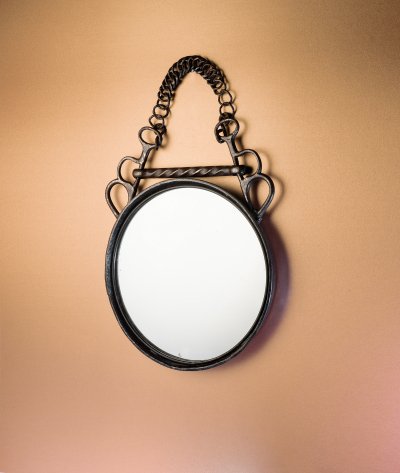
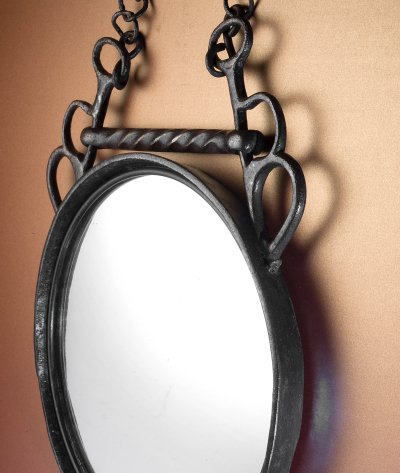
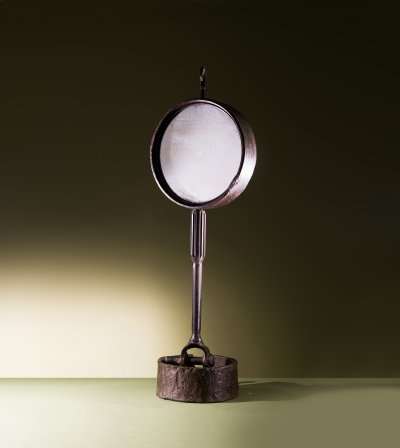
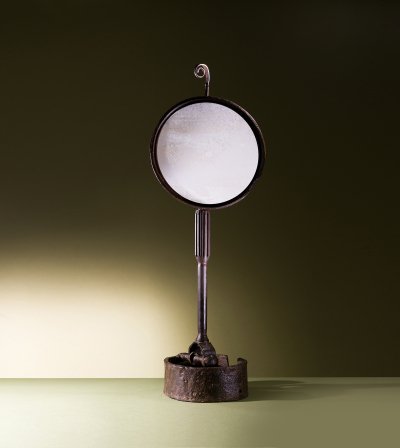
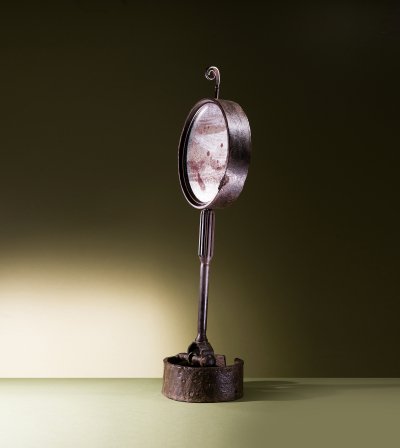
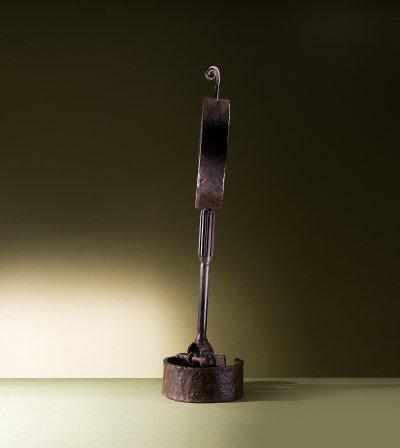
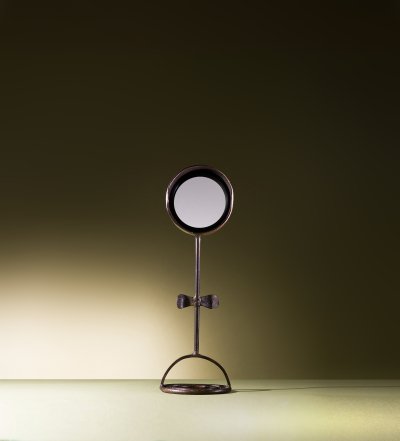
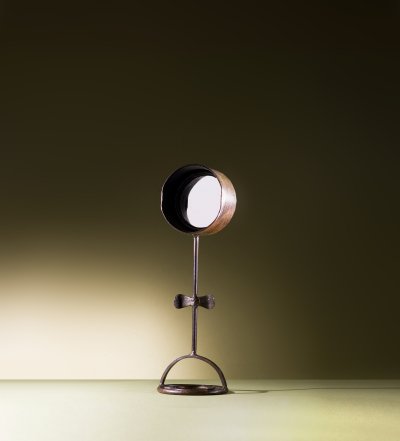
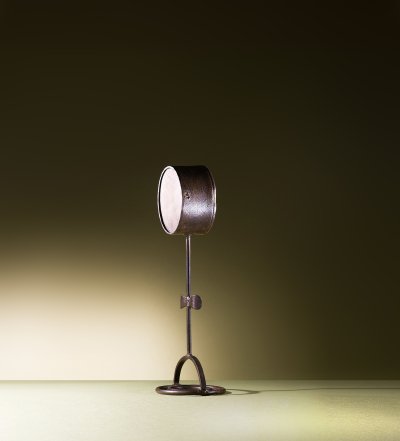
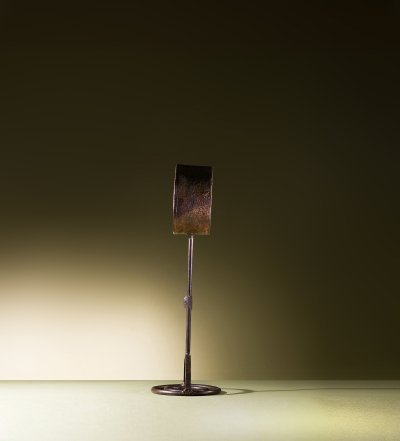
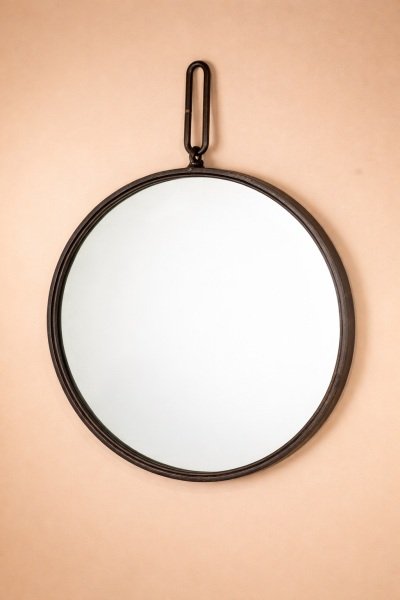
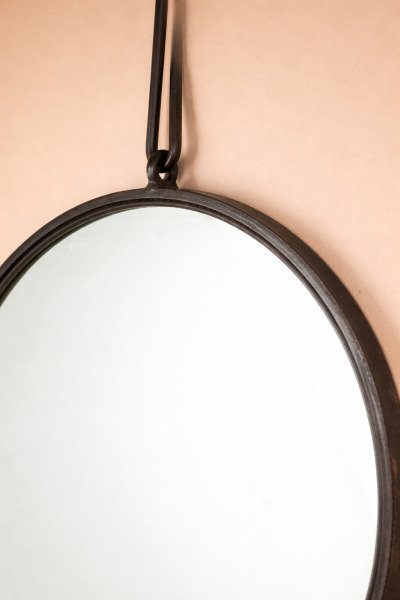
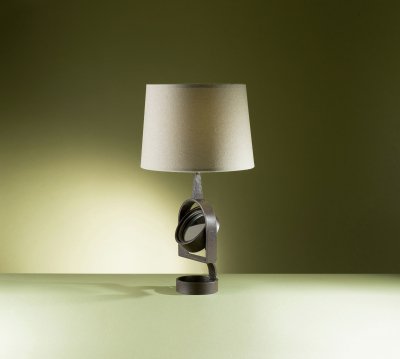
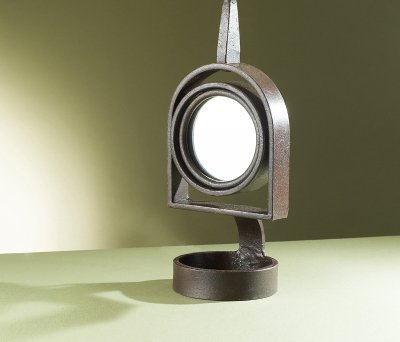
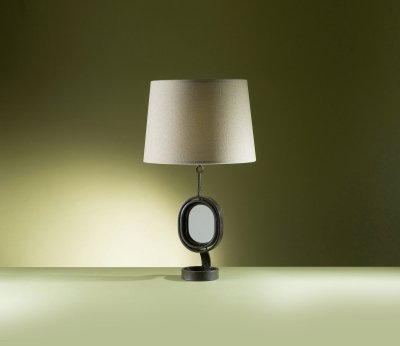
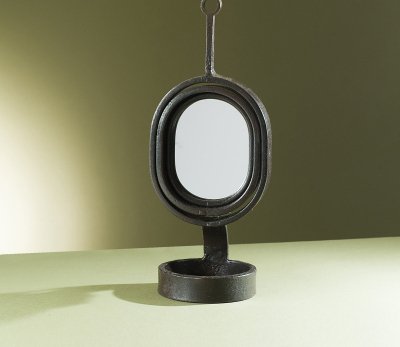
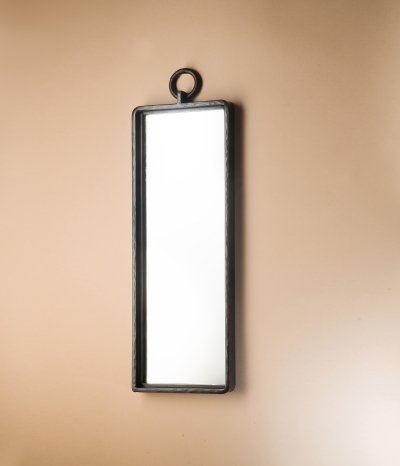
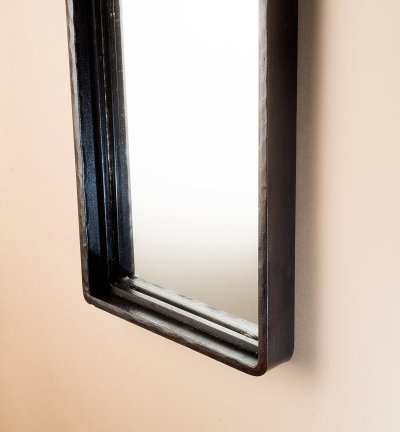
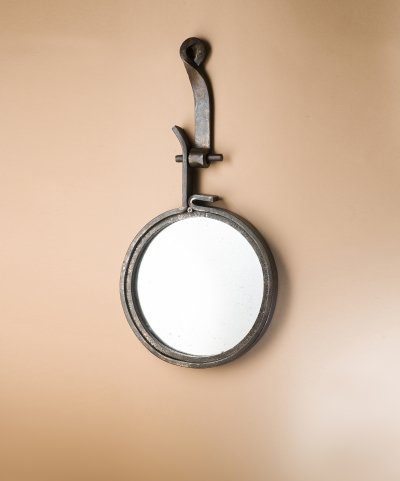
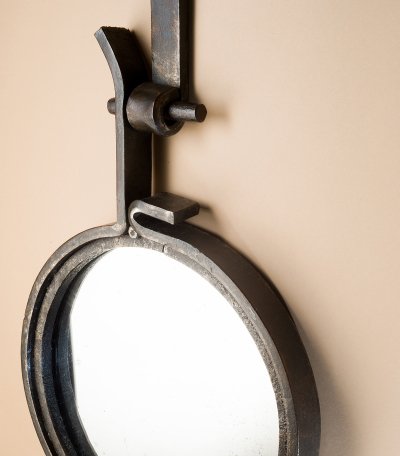
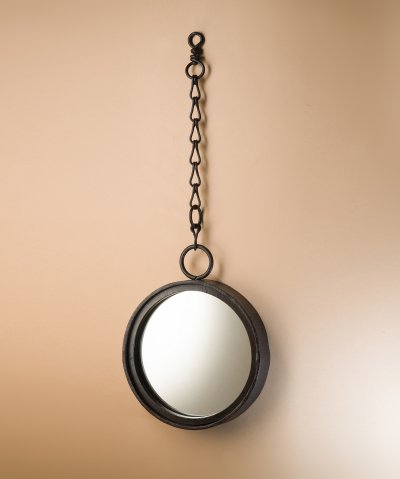
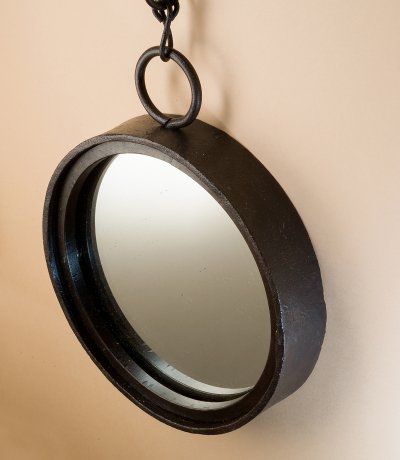
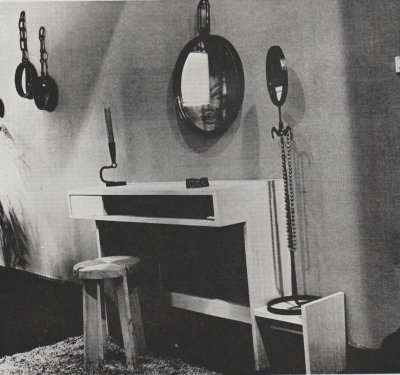
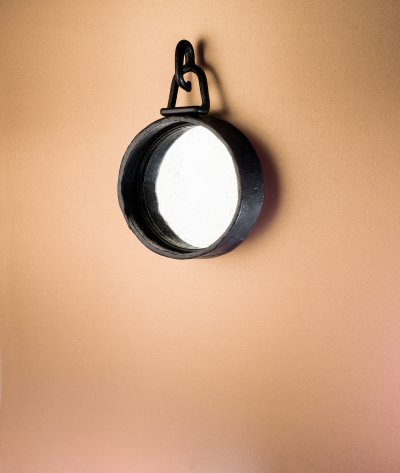
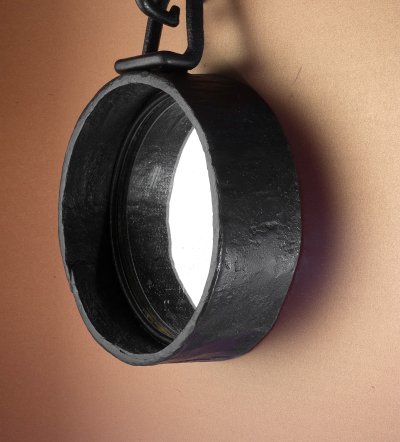
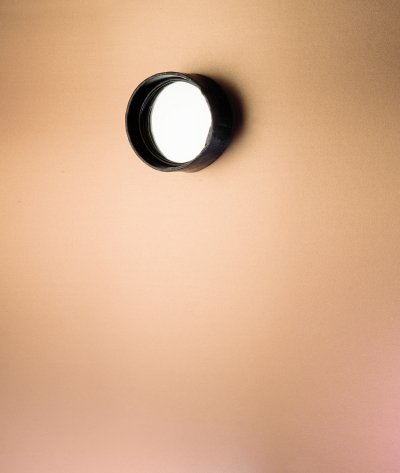
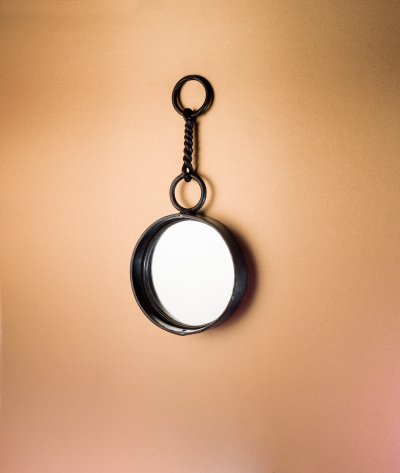
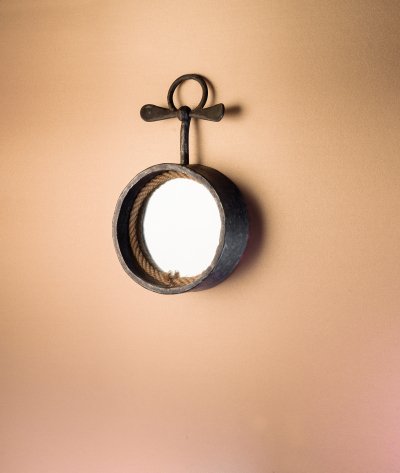
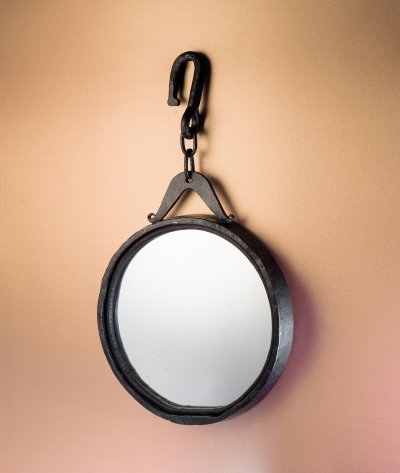
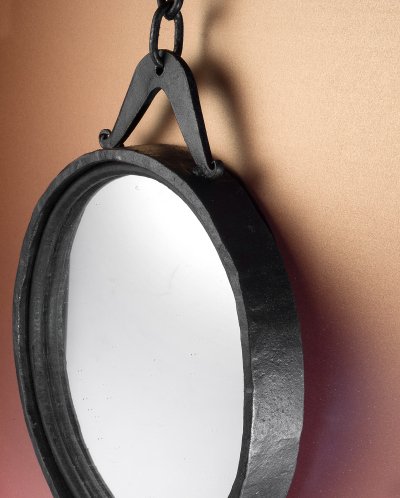
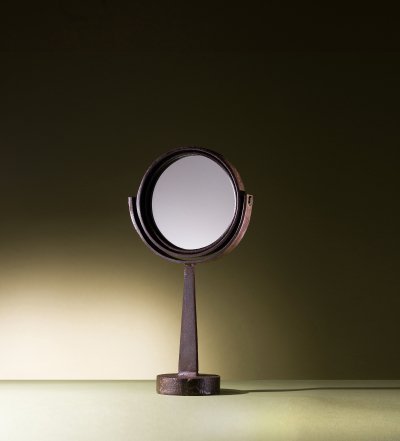
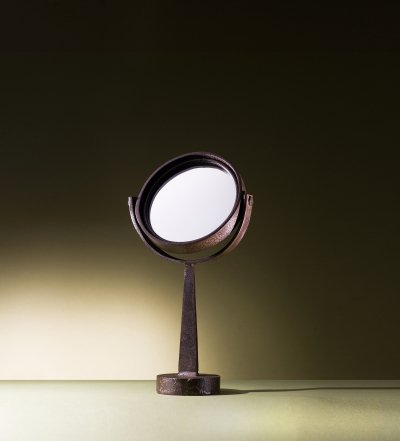
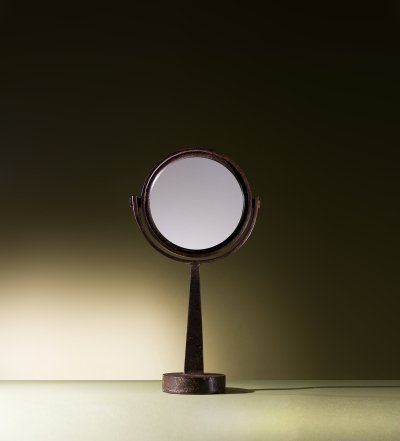
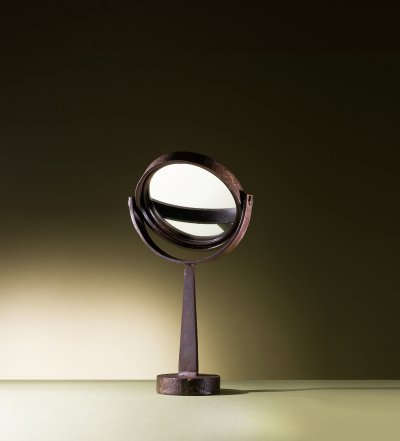
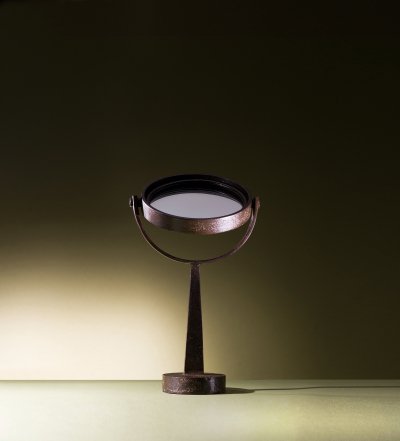
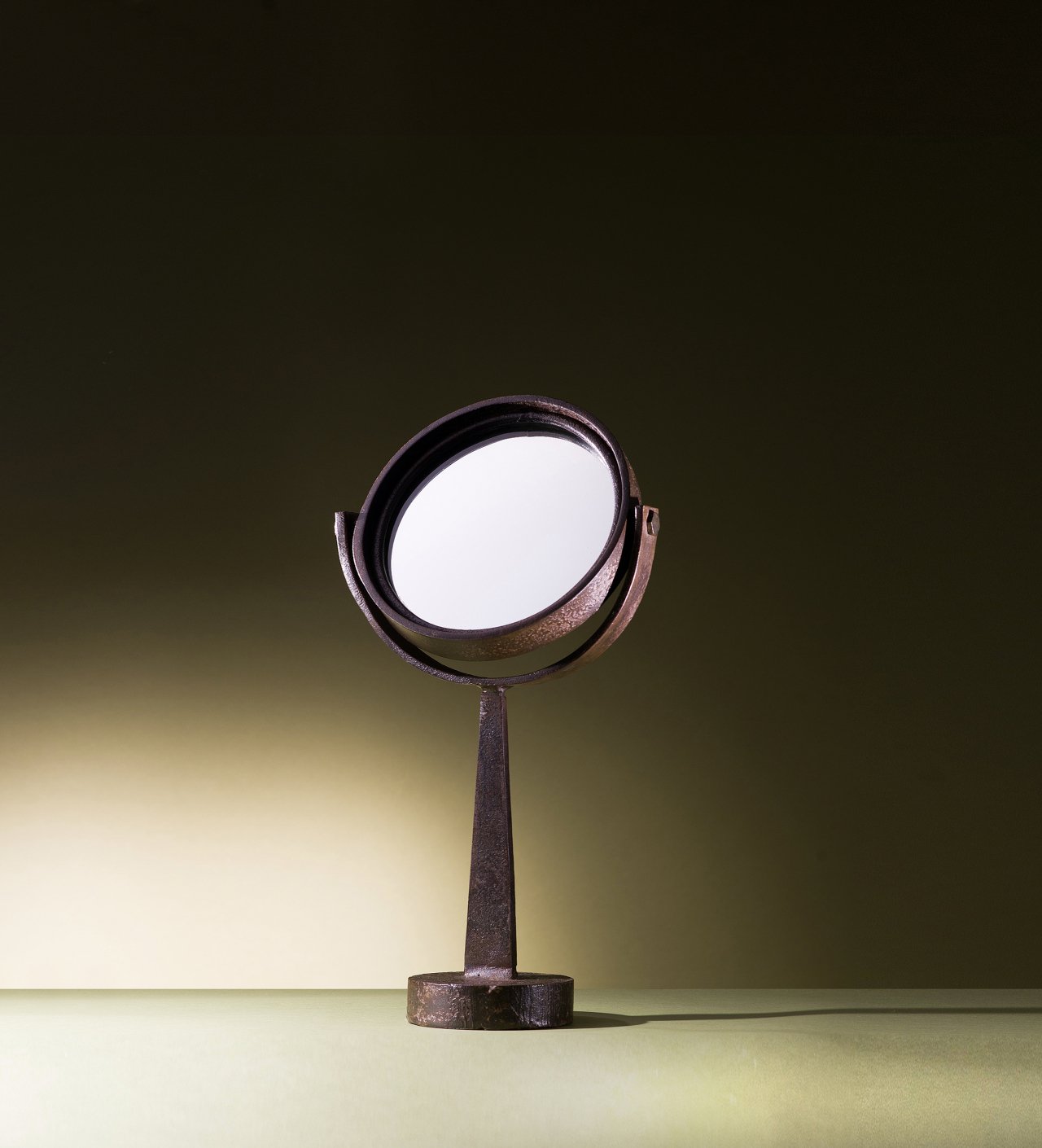
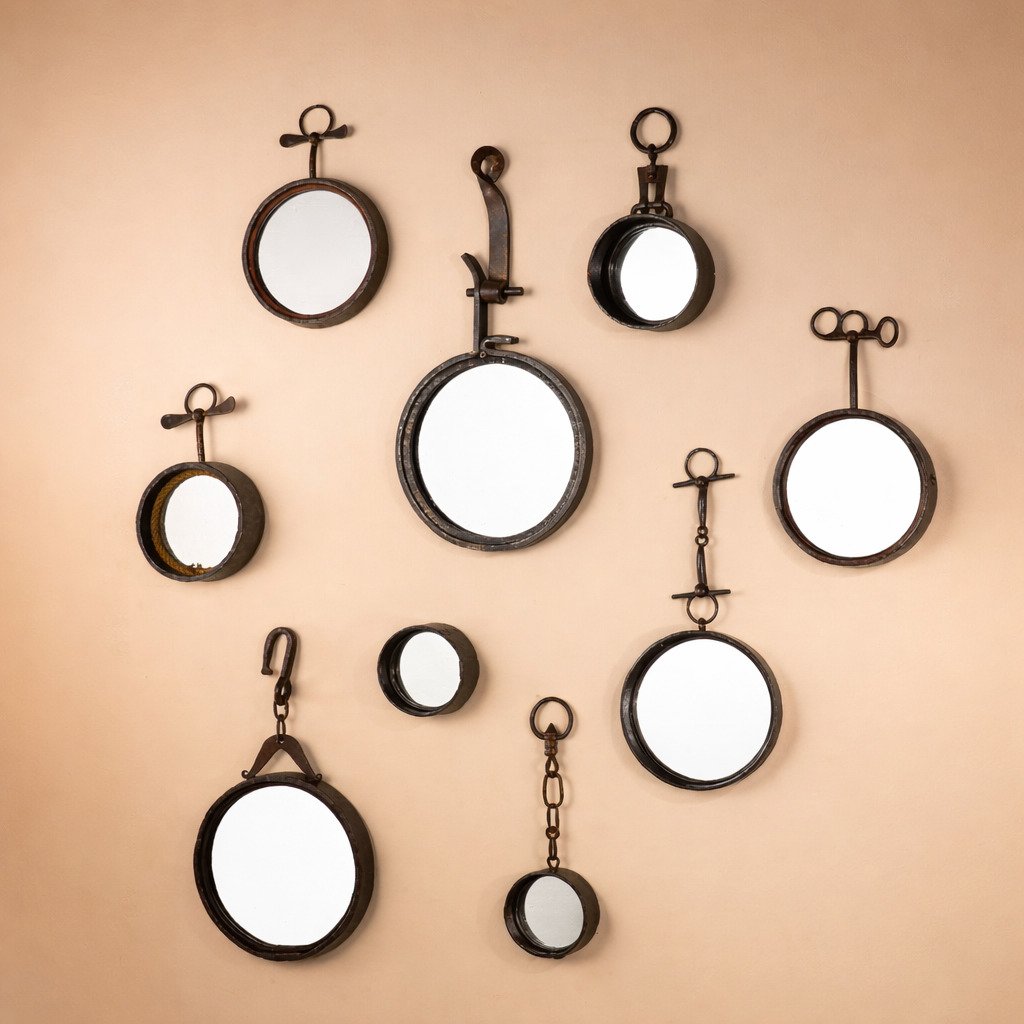
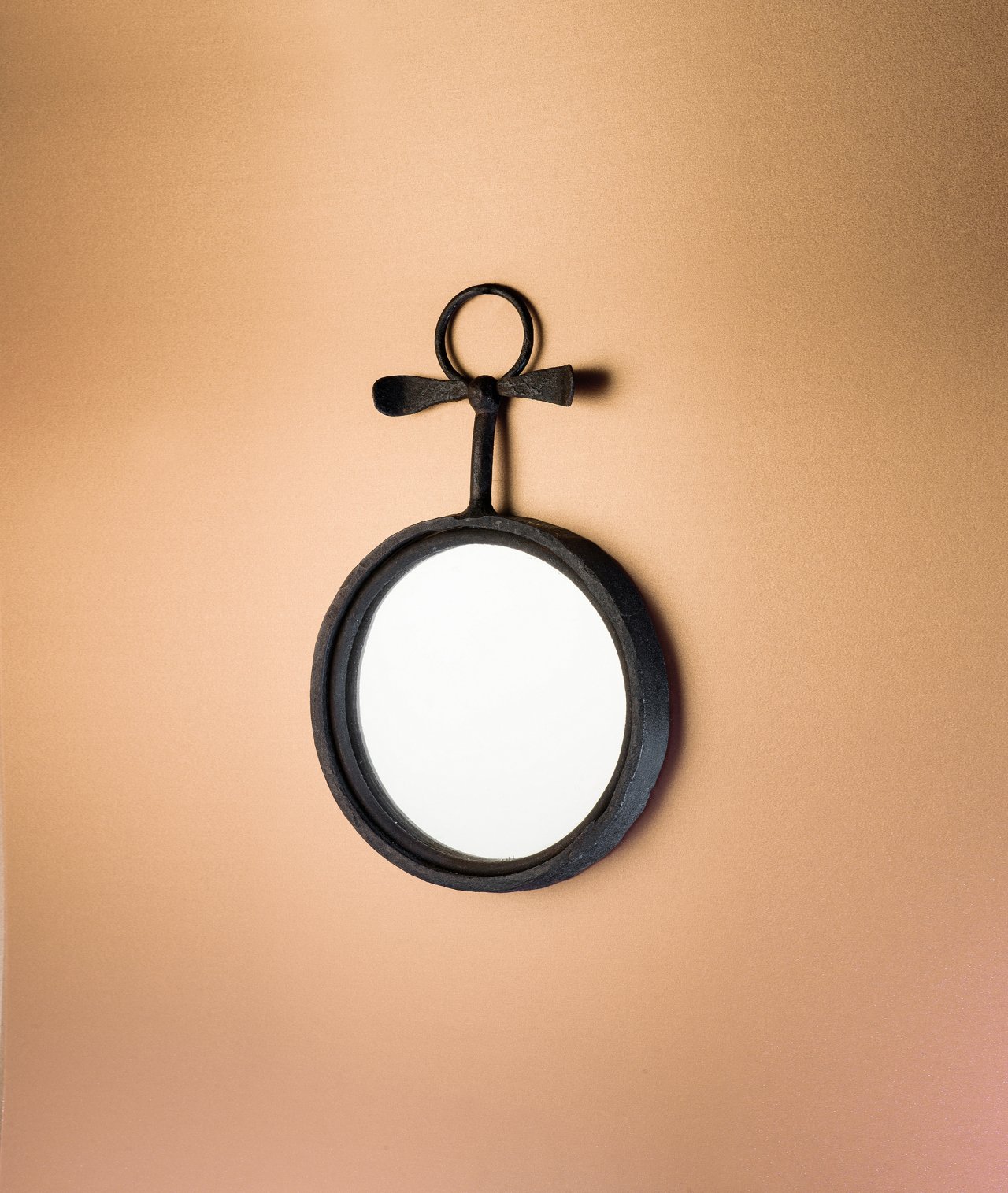
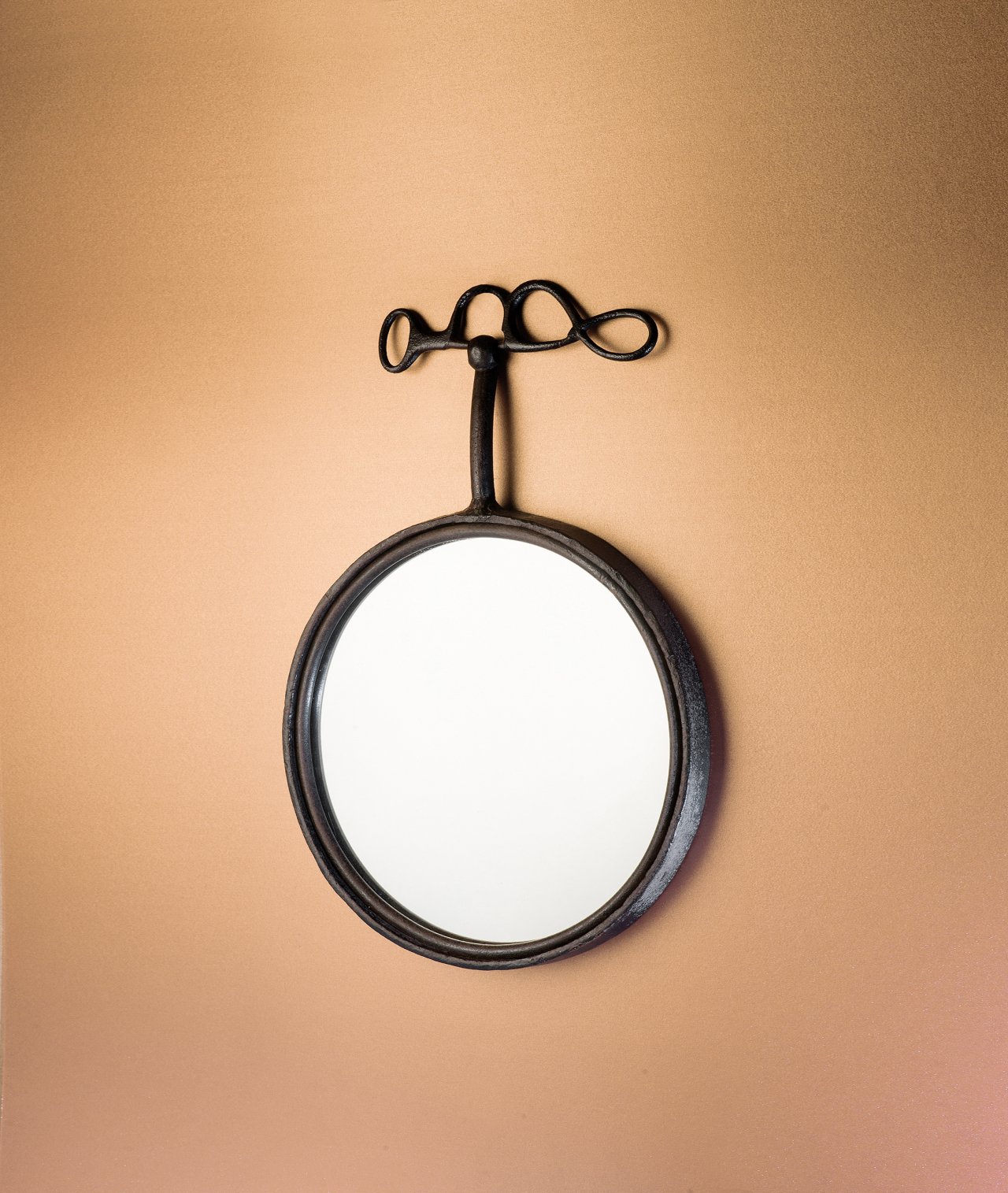
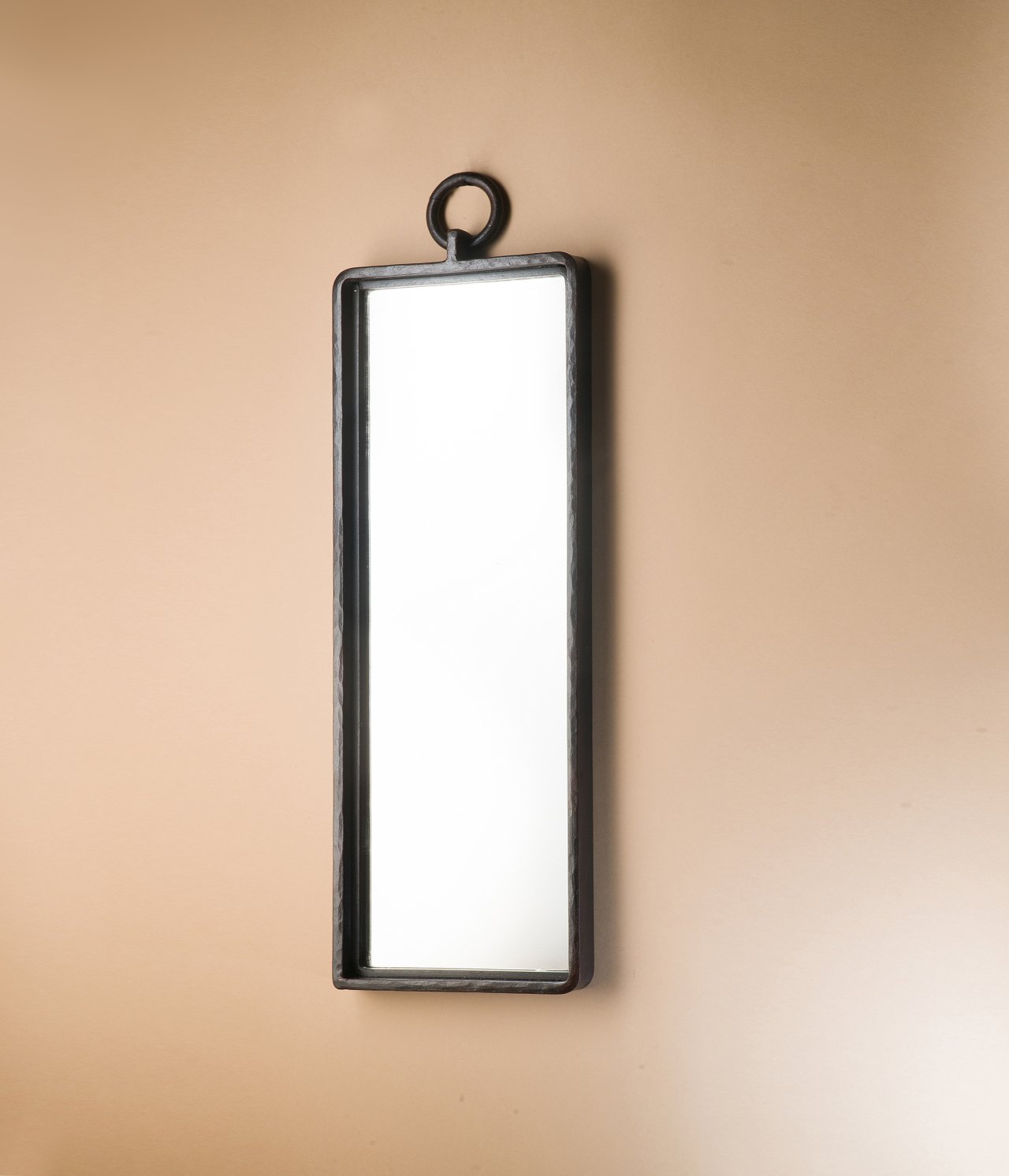
The gallery is pleased to present the work of Léopold Gest for the first time. Bringing together more than fifty unique pieces from the 1960s and 1970s, this collection highlights the distinctive style of an artist whose work subtly explores the possibilities of iron. Mirrors, lamps, and candlesticks make up a body of work in which each handcrafted creation stands out as a unique piece. A selection of the artist’s works will also be presented at PAD Paris from April 8 to 12, 2026.
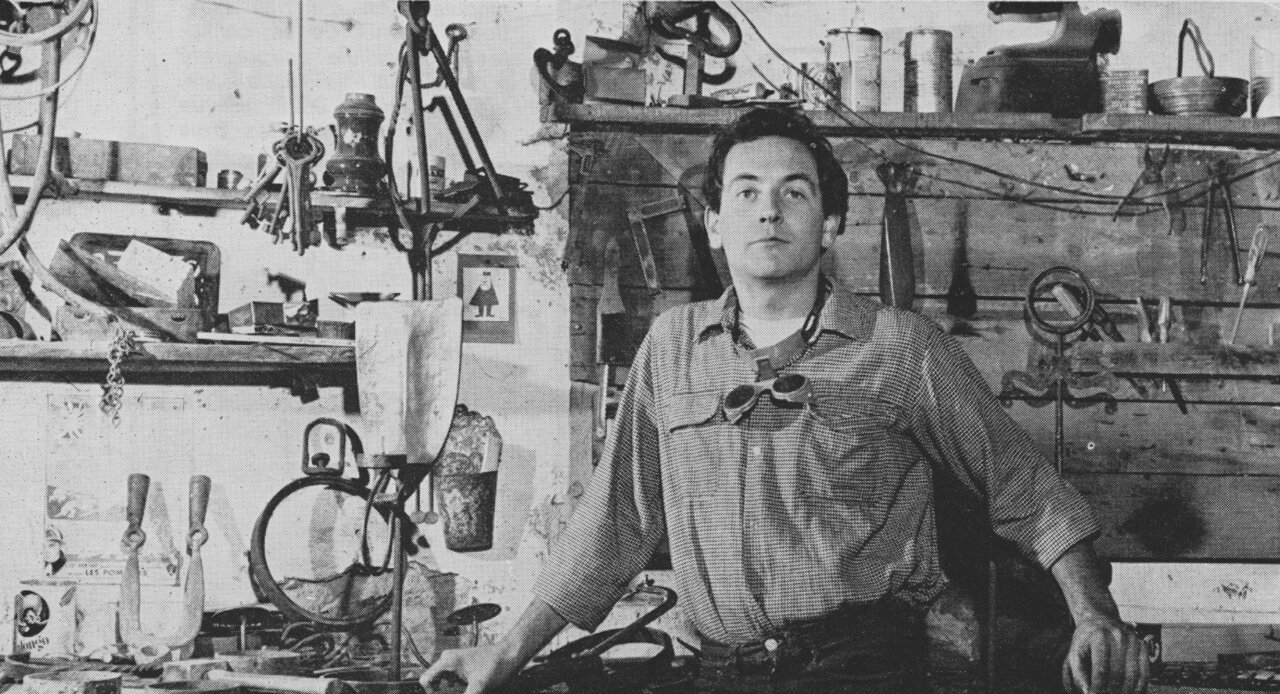
Born in 1938 in Calais (Pas-de-Calais), Léopold Gest is a self-taught French artist and designer whose work lies at the intersection of sculpture, design, and functional objects. He settled in Saint-Rémy-de-Provence in the late 1960s, a region whose culture and landscape would have a lasting impact on his work. Drawn to the visual arts and contemporary art from an early age, he developed a unique practice based on a direct relationship with materials, particularly metal, which he manipulates, transforms, and patinates to reveal its expressive power.
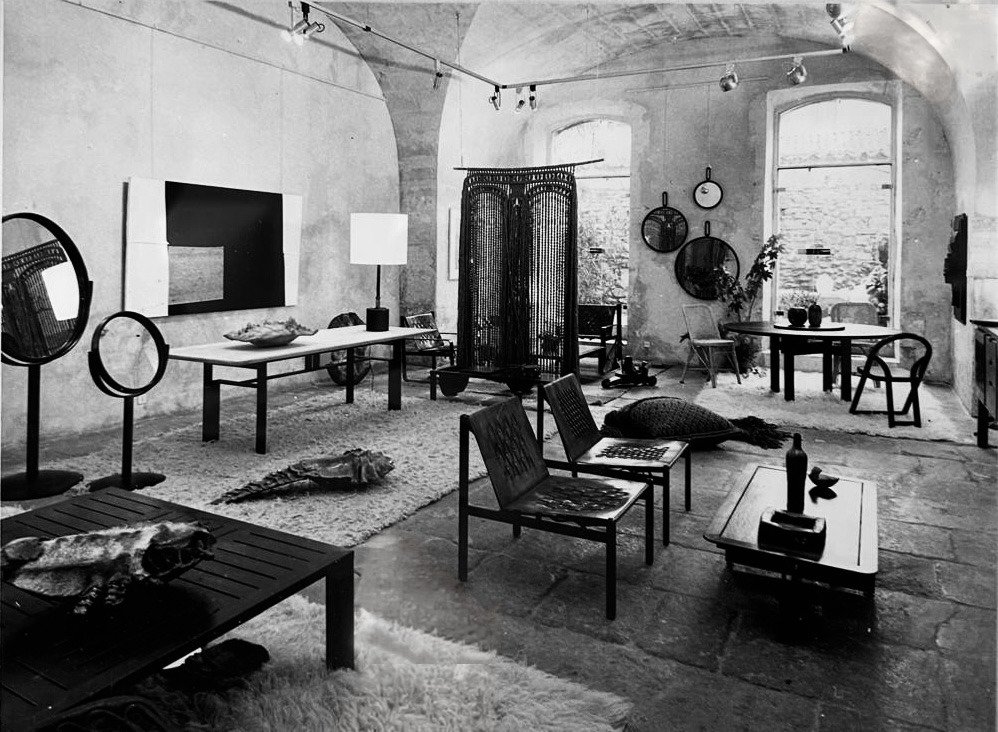
In 1971, Léopold Gest founded the Noëlla Gest Gallery in Saint-Rémy-de-Provence with his wife, Noëlla. The gallery quickly established itself as one of the leading venues for contemporary art in the south of France. The inaugural exhibition was dedicated to Mario Prassinos, whose friendship would play a decisive role in the gallery’s development. Under the leadership of Noëlla Gest, a passionate and dedicated gallerist, the gallery presented sculptures, paintings, tapestries, and ceramics by major and emerging artists. Notable artists include Costa Coulentianos, Jean Amado, Georges Jeanclos, Anna-Eva Bergman, Hans Hartung, and Léon Zack, as well as ceramicists Yves Mohy, Elisabeth Joulia, and Bernard Dejonghe. The gallery participated in the first editions of FIAC at the Grand Palais, helping to establish this Provençal scene within a national and international artistic network.
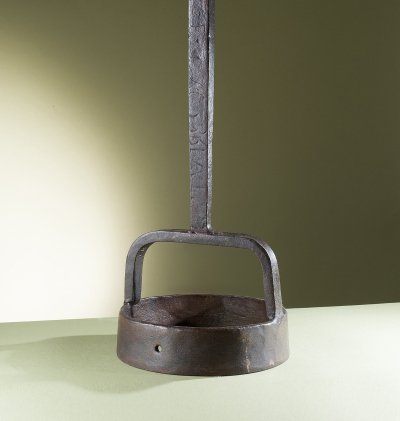
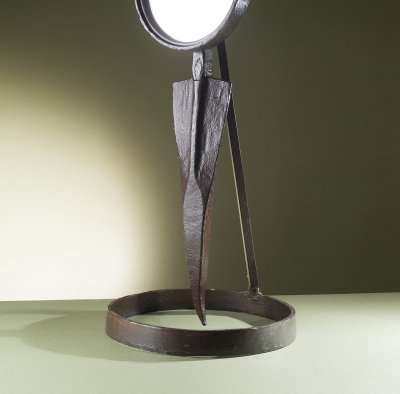
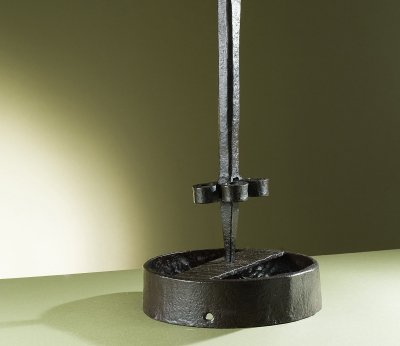
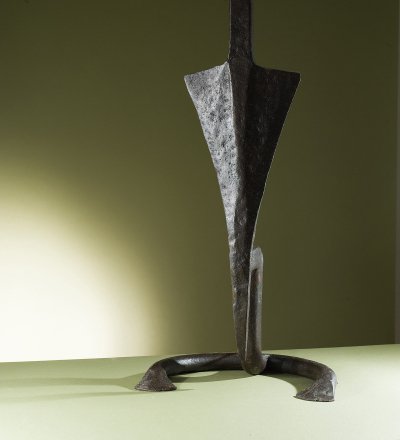
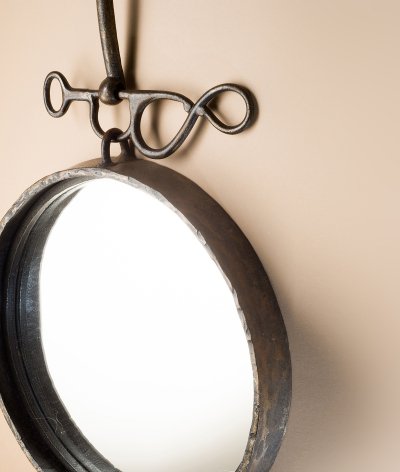
Alongside his work as a gallery owner, Léopold Gest developed a personal body of work that took shape in the late 1960s. He began creating his first metal objects using fragments gathered from the countryside: pieces of plows, horse bits, spades, and abandoned farm tools. These elements, cut, reassembled, and sanded down according to his intuition, became lamps, candlesticks, mirrors, or sculptures. Sometimes evoking animals, sometimes imaginary machines, these assemblages close in spirit to the ready-made marked the beginning of an artistic exploration in which steel became his material of choice.
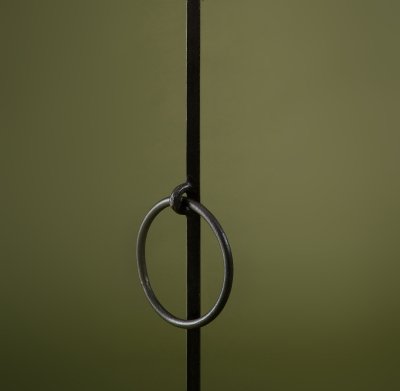
Gradually, Gest moved beyond assemblage to design genuine metal furniture. Tables, console tables, armchairs, and light fixtures began to emerge, always crafted from steel that he either patinated or deliberately allowed to oxidize in order to reveal its depth and texture. The artist favors a deliberately minimalist formal style: clean lines, essential structures, and an almost sculptural presence of the material.
Léopold Gest still lives in Provence, surrounded by olive trees, his sculptures, and the works of Coulentianos and Prassinos, his lifelong friends.